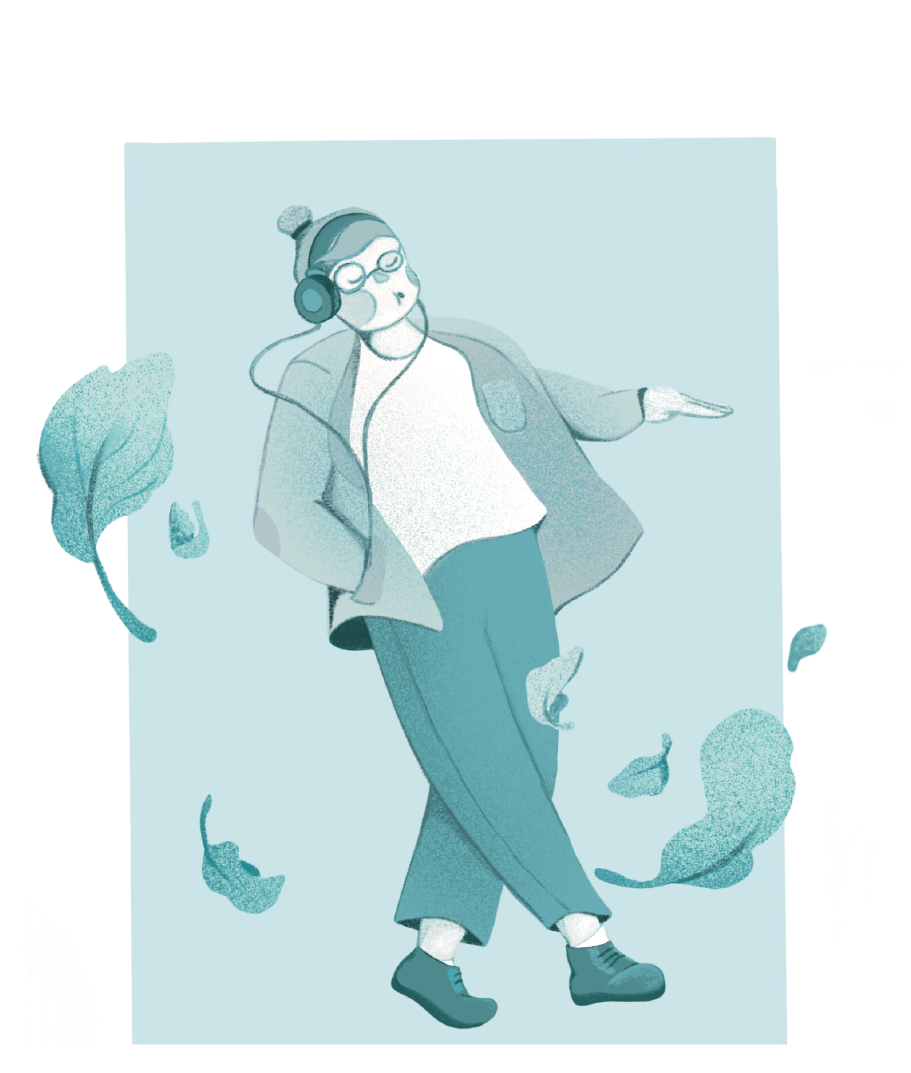
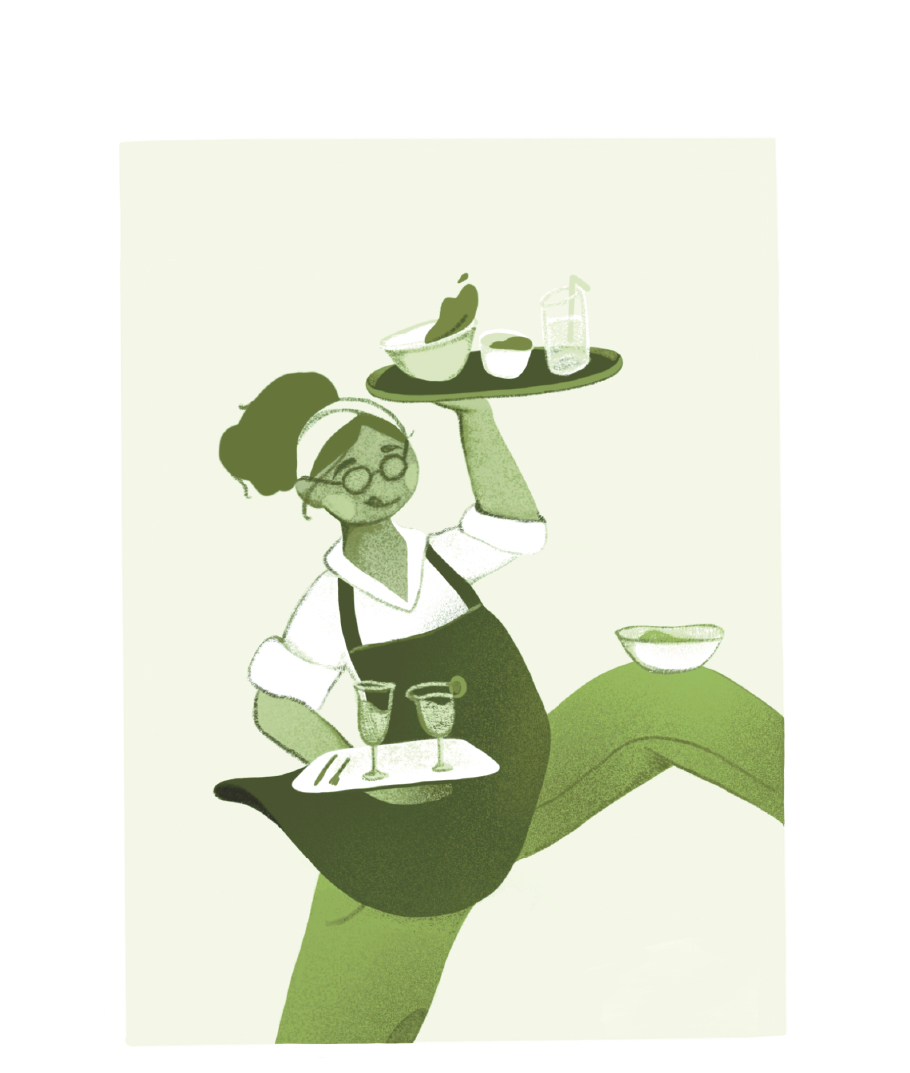
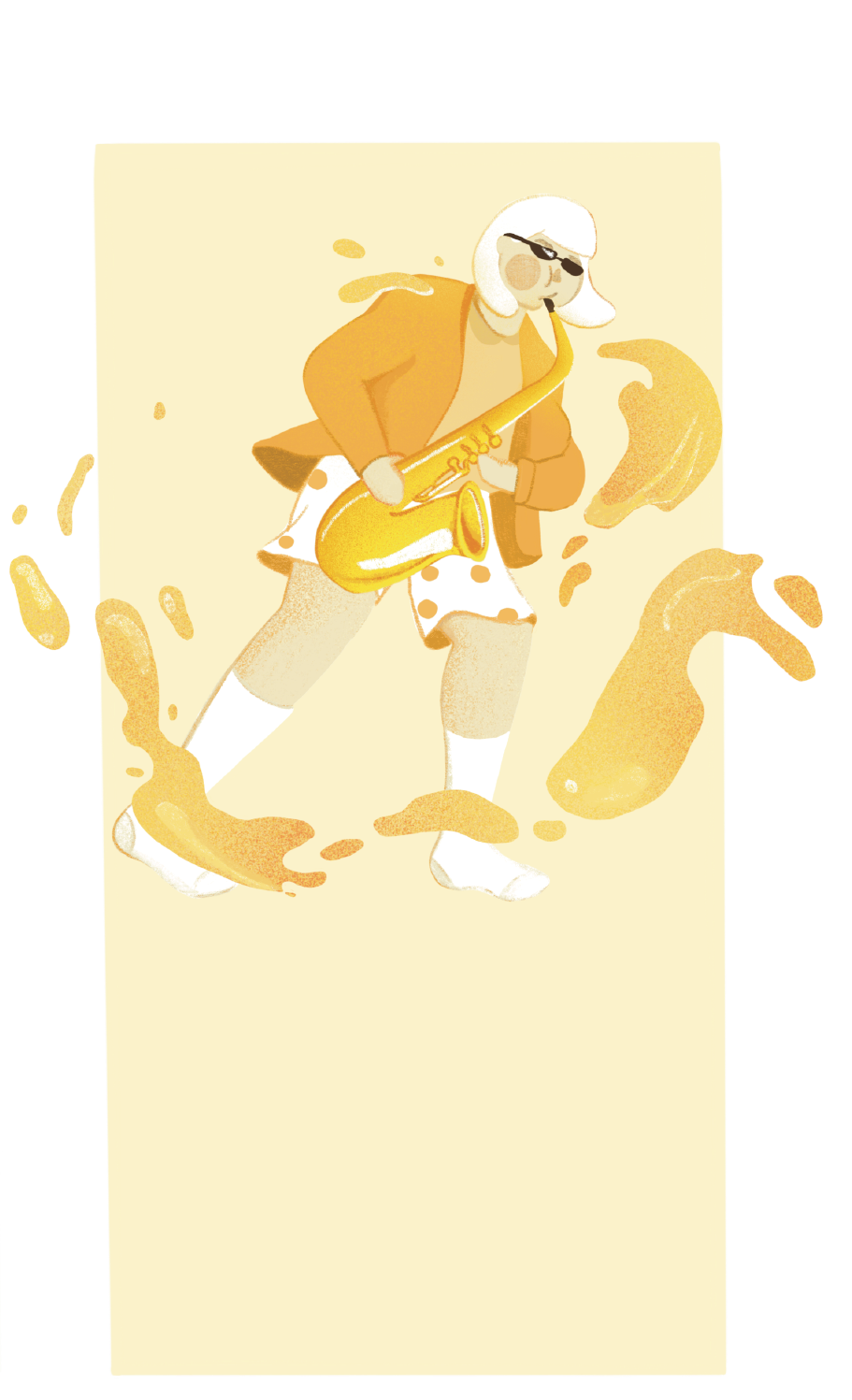
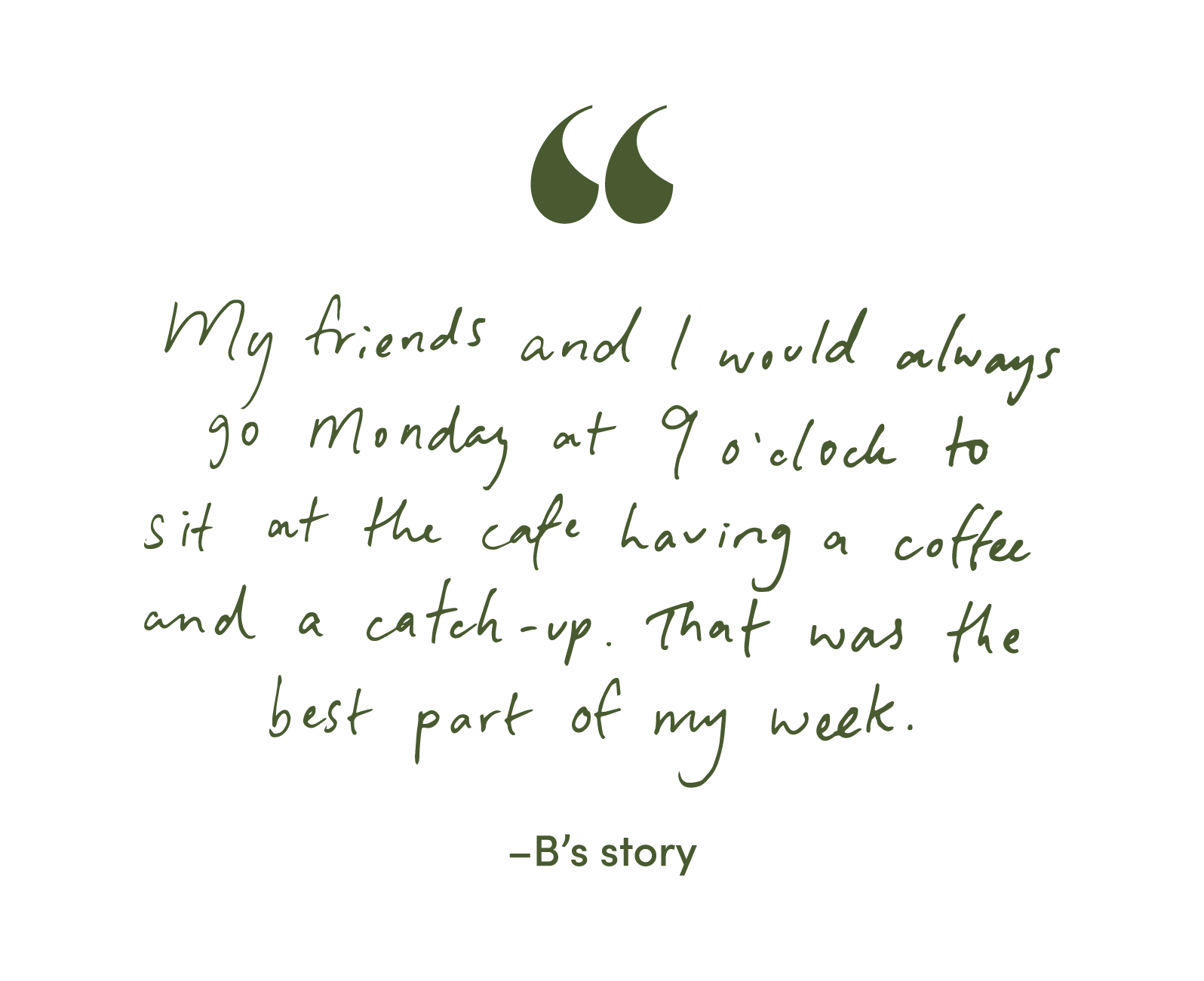
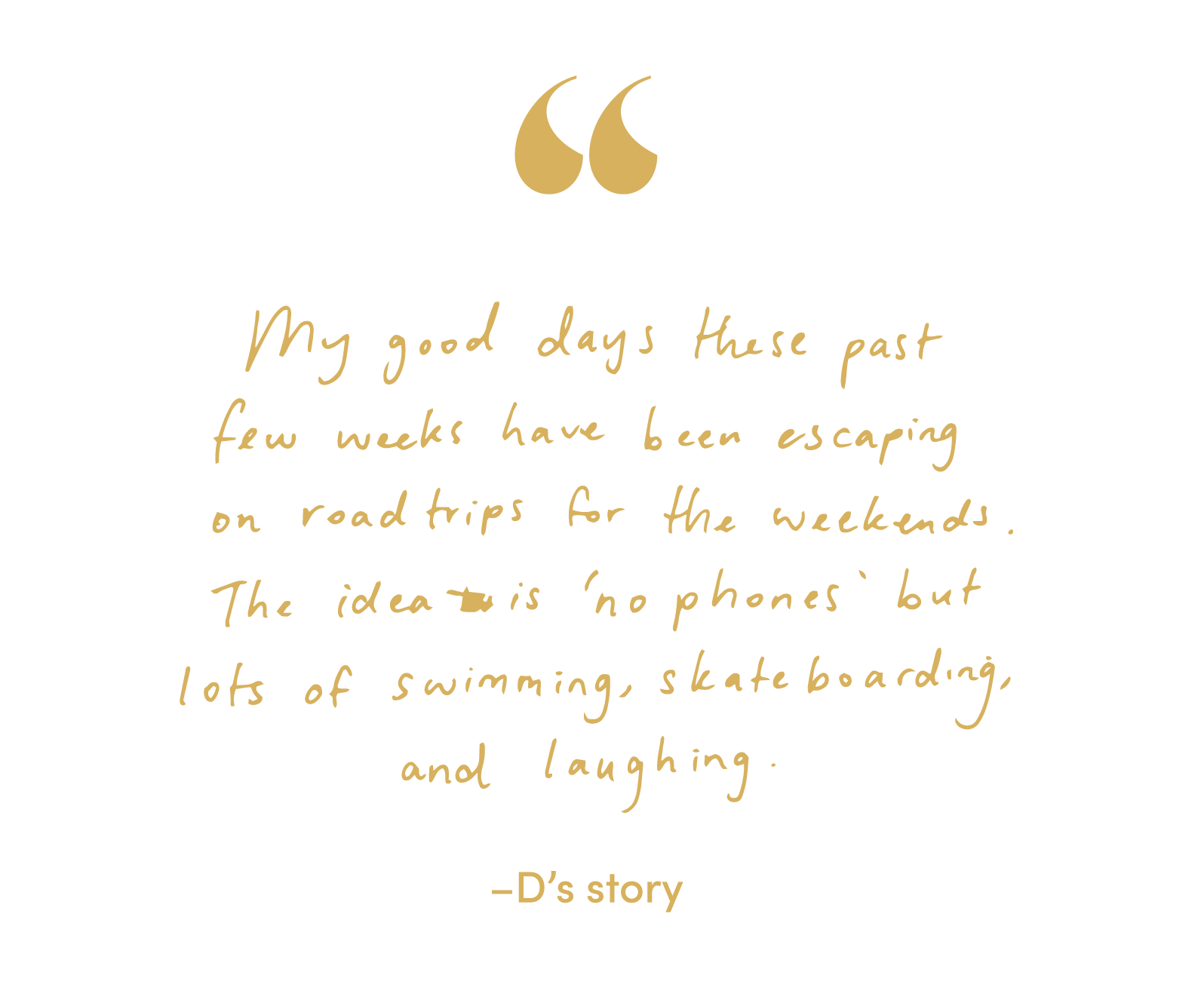
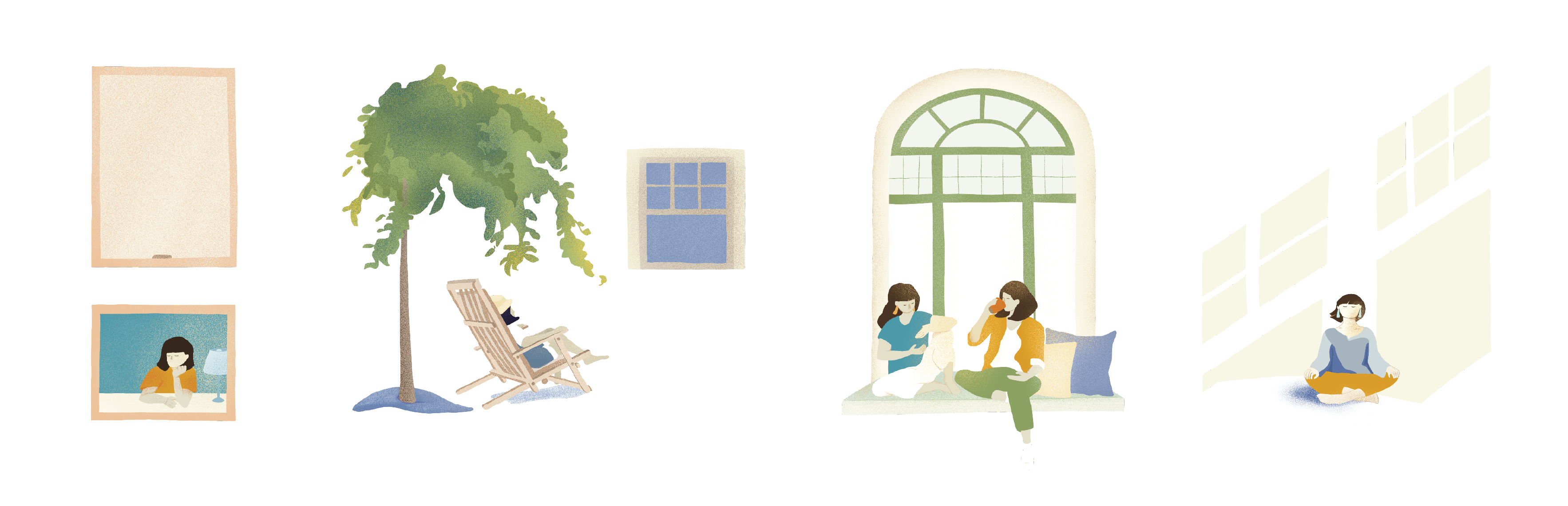
Welcome to The ‘Doing Well’ Guidebook. This guide was designed and illustrated by Janette Cabrera to help you reflect on the everyday activities that fill your days and how you can use them to get into the headspace you want to be in. This can be a powerful tool for your mental wellbeing and discovering more about how to stay well.

Learn about doing modes

Activity sheets

Donate a book

Daniel Sutton, a mental health occupational therapist, researcher and academic, explains how we can find ourselves switching between different modes of ‘doing’ during our lives—especially when we are confronted with mental wellbeing challenges. ‘Doing'  refers to any activity that we choose to fill our days with.

Select one of the 'doing' modes below to learn more.

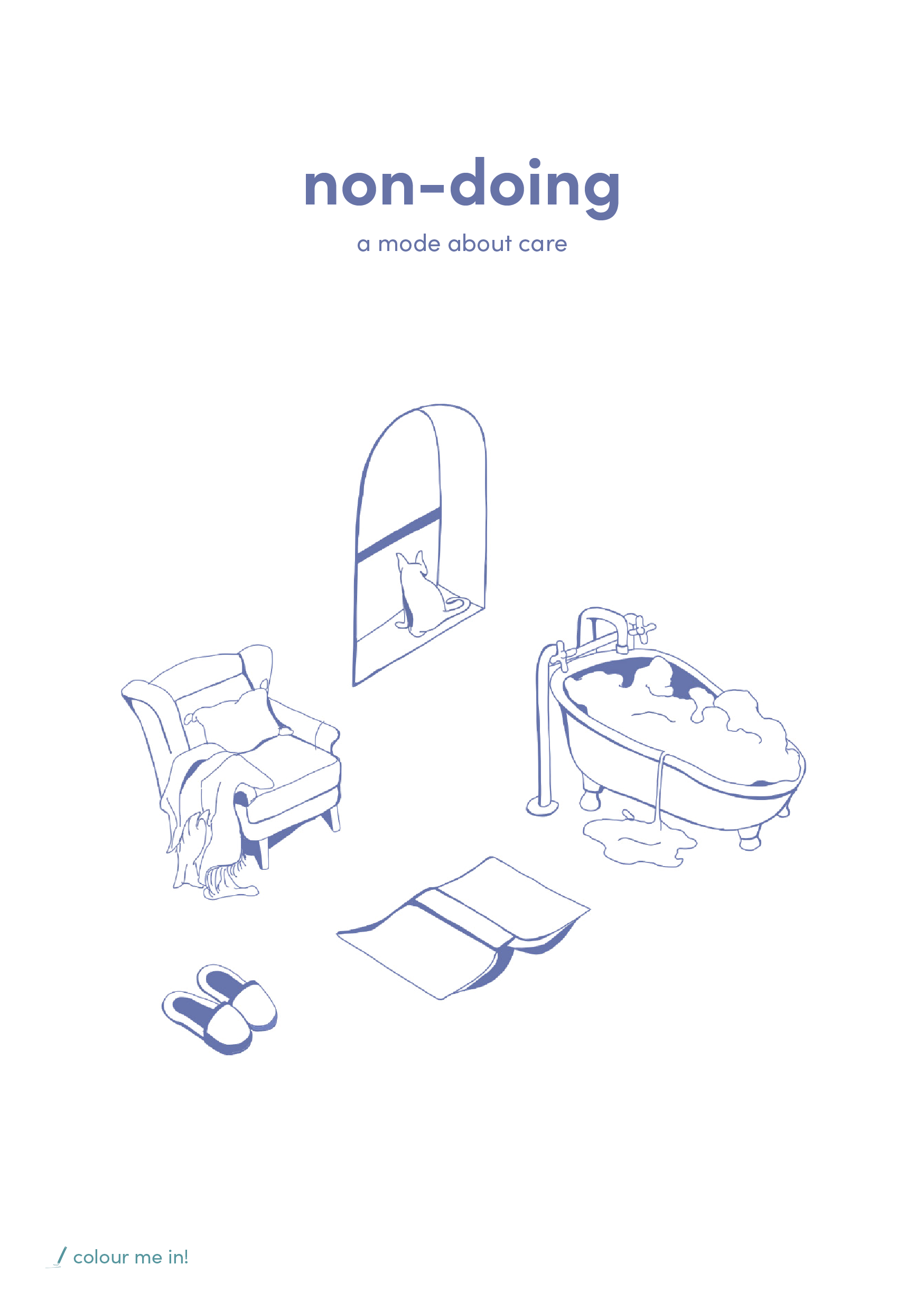
non-doing

a mode about care

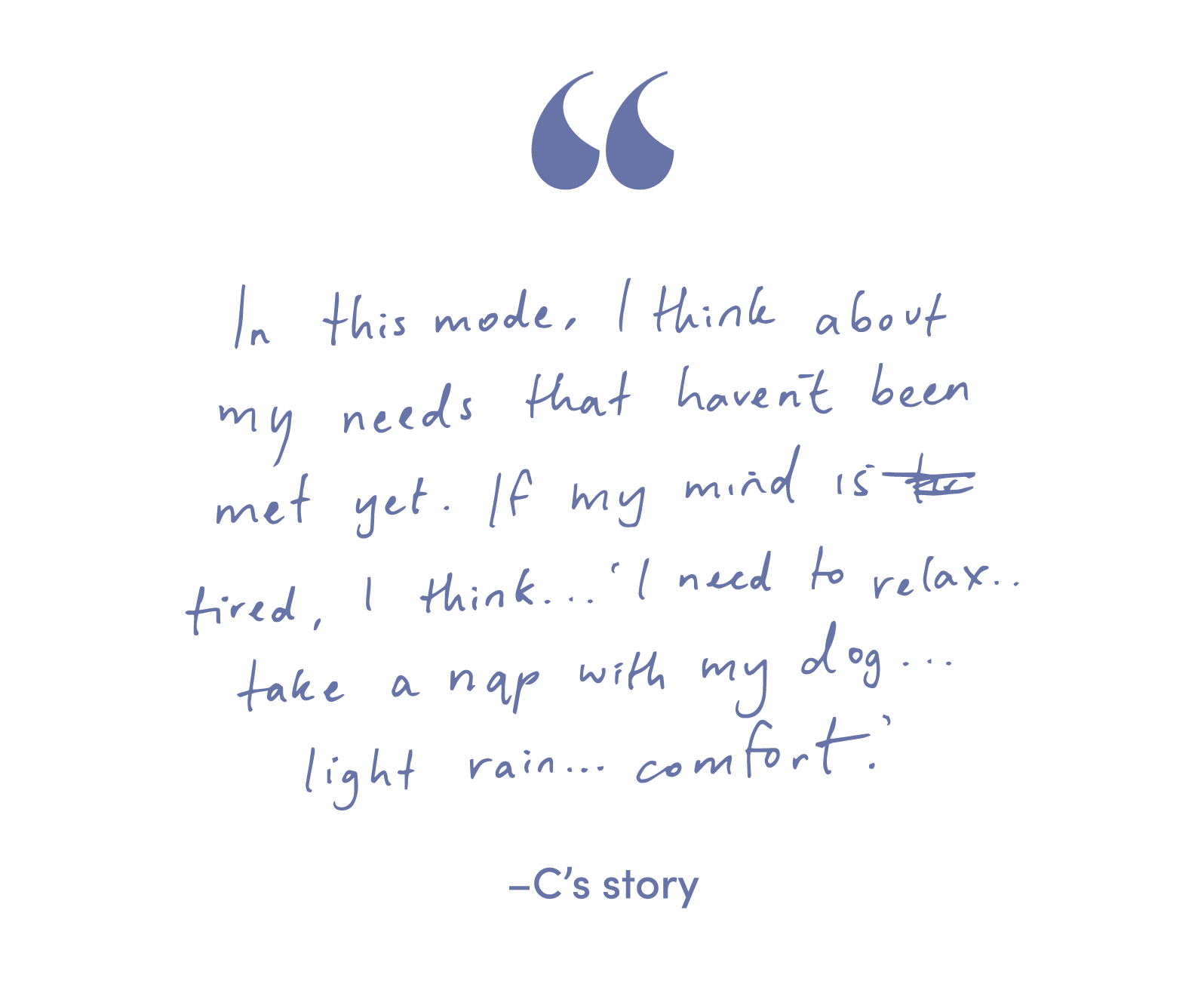
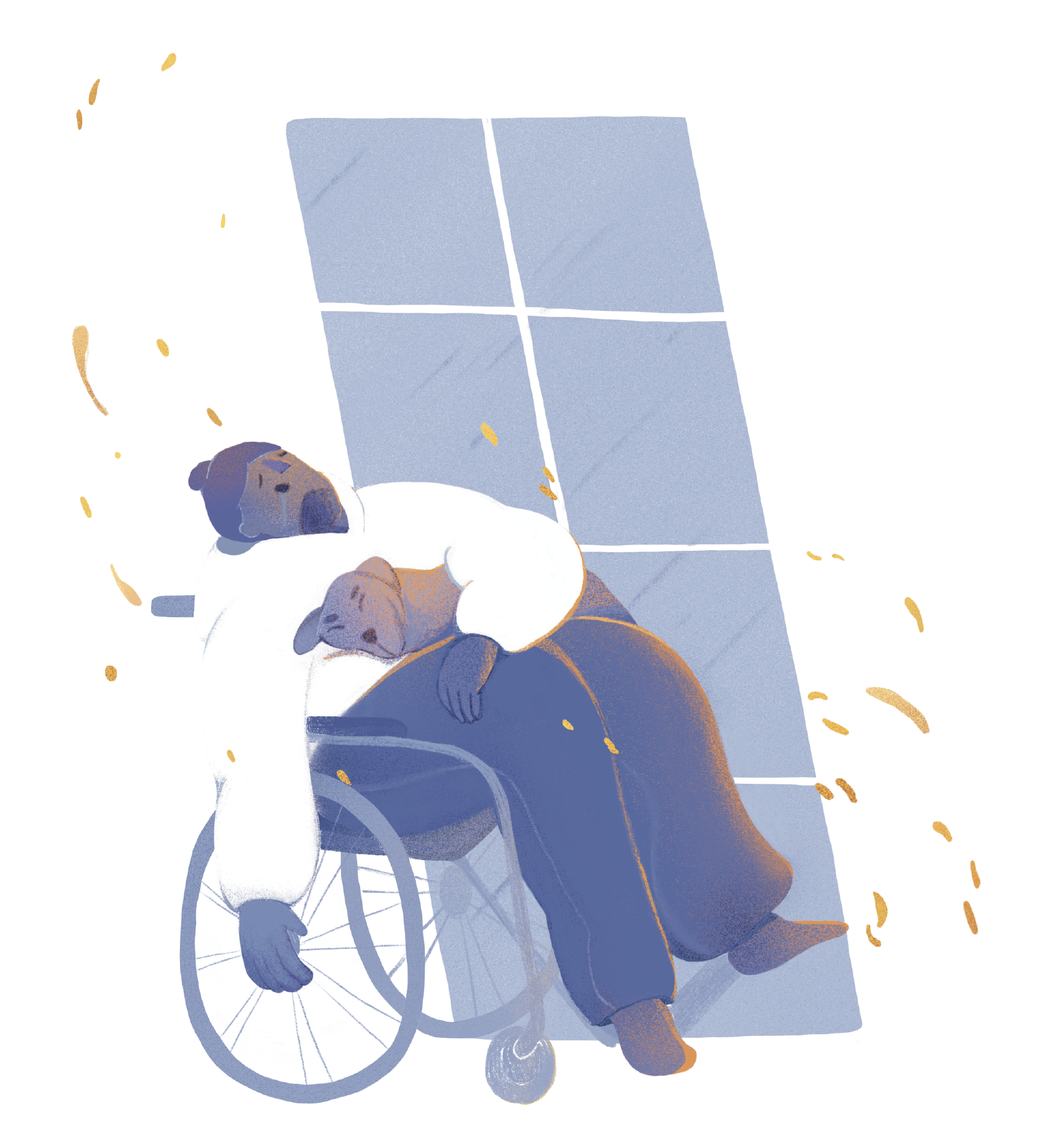
Periods of non-doing can be helpful for going back to the fundamentals of CARE and self-CARE. It is also important to remember that no one can complete this journey alone.

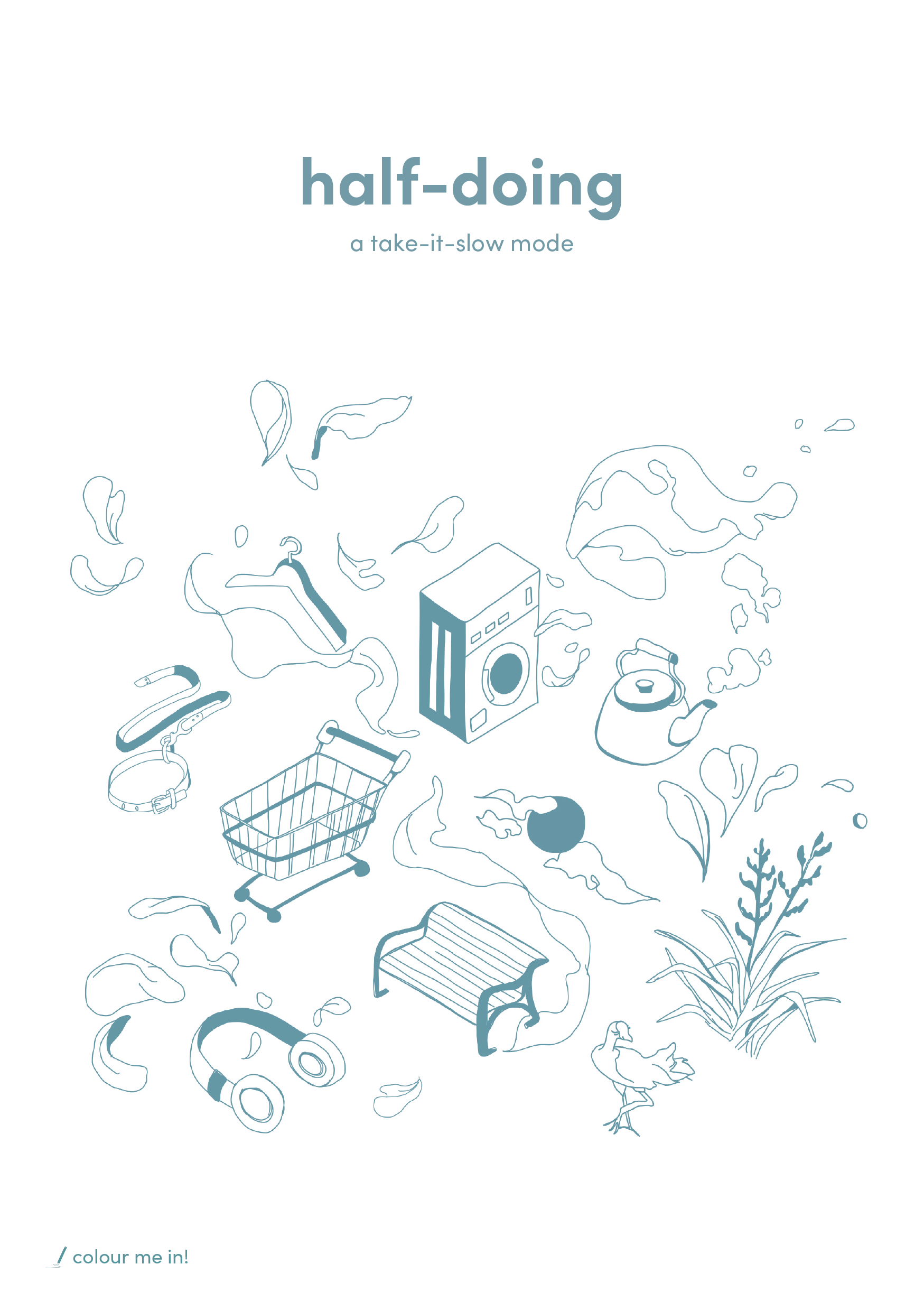
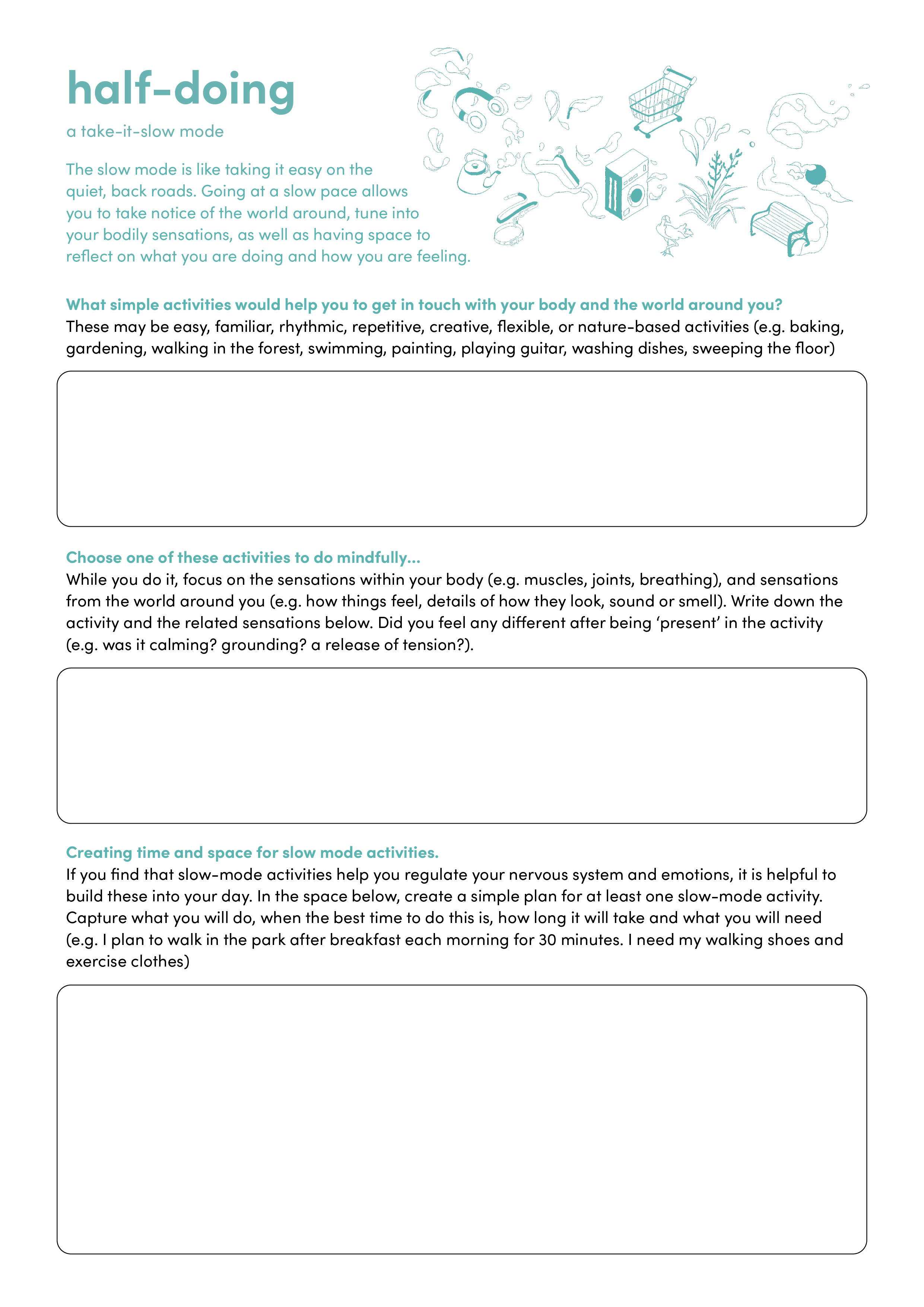
half-doing

a take-it-slow mode

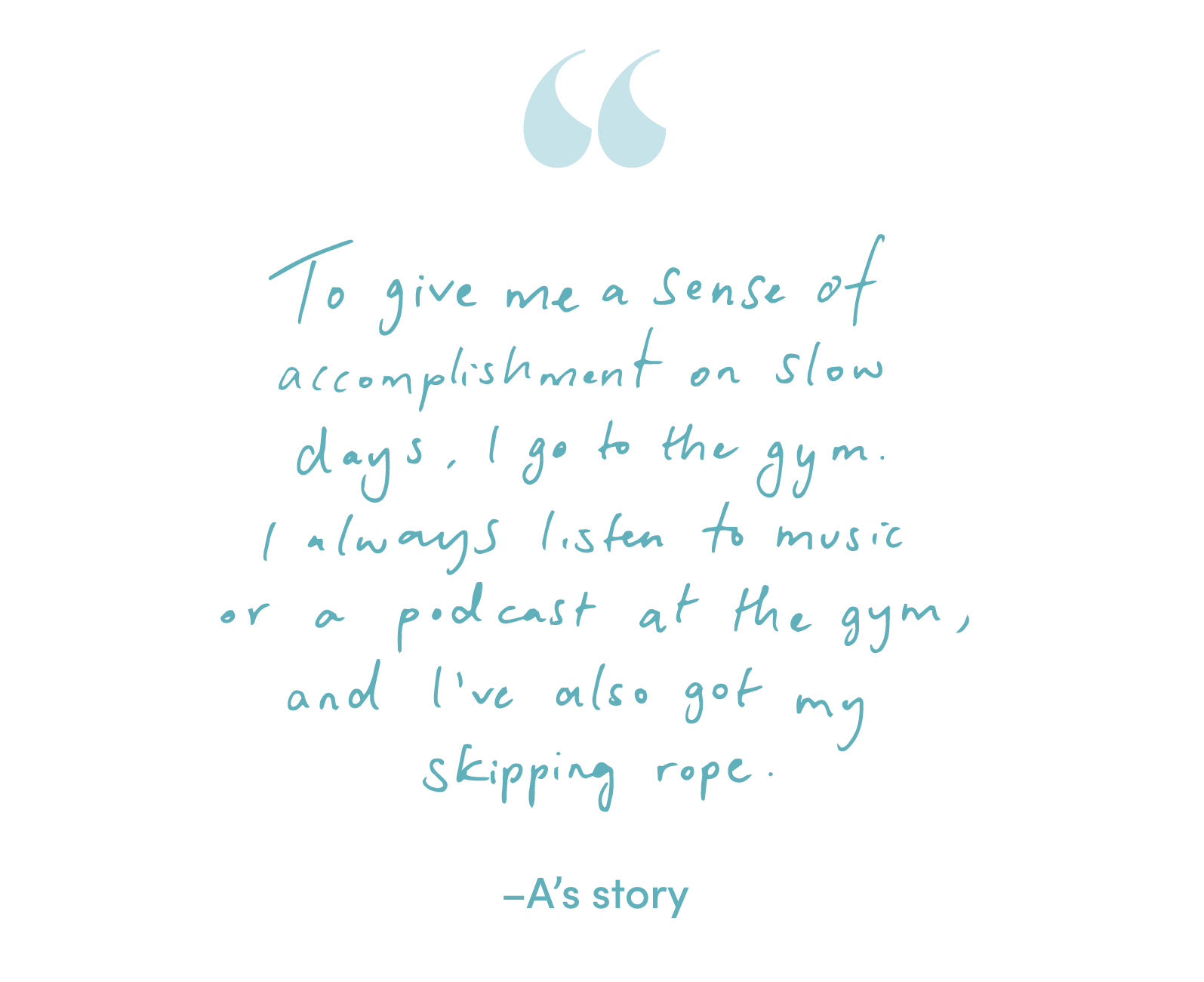
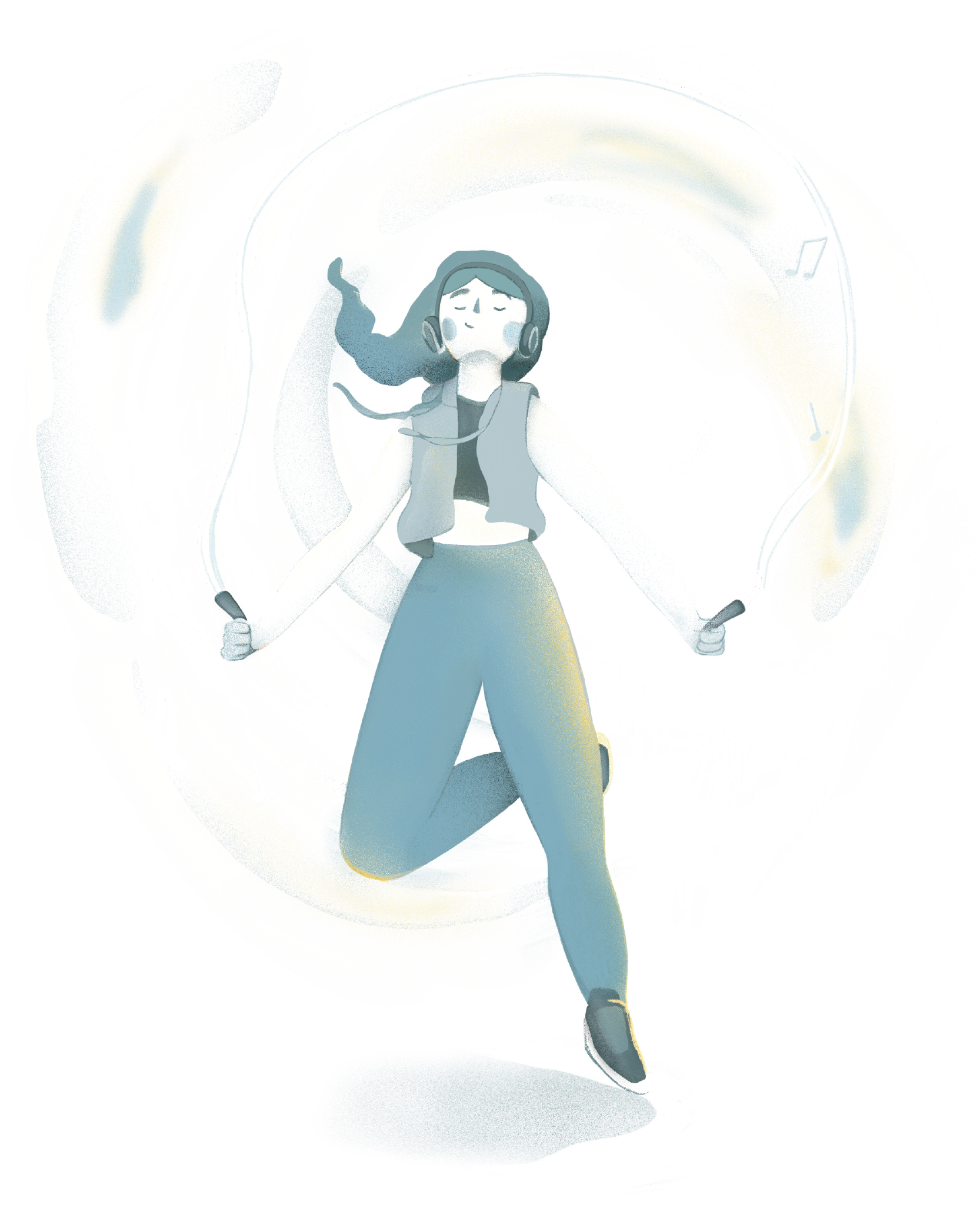
Periods of half-doing can help us feel present and grounded in the moment, in our bodies, and in our environment. Taking it SLOW can help us reestablish simple yet meaningful activities back into our days.

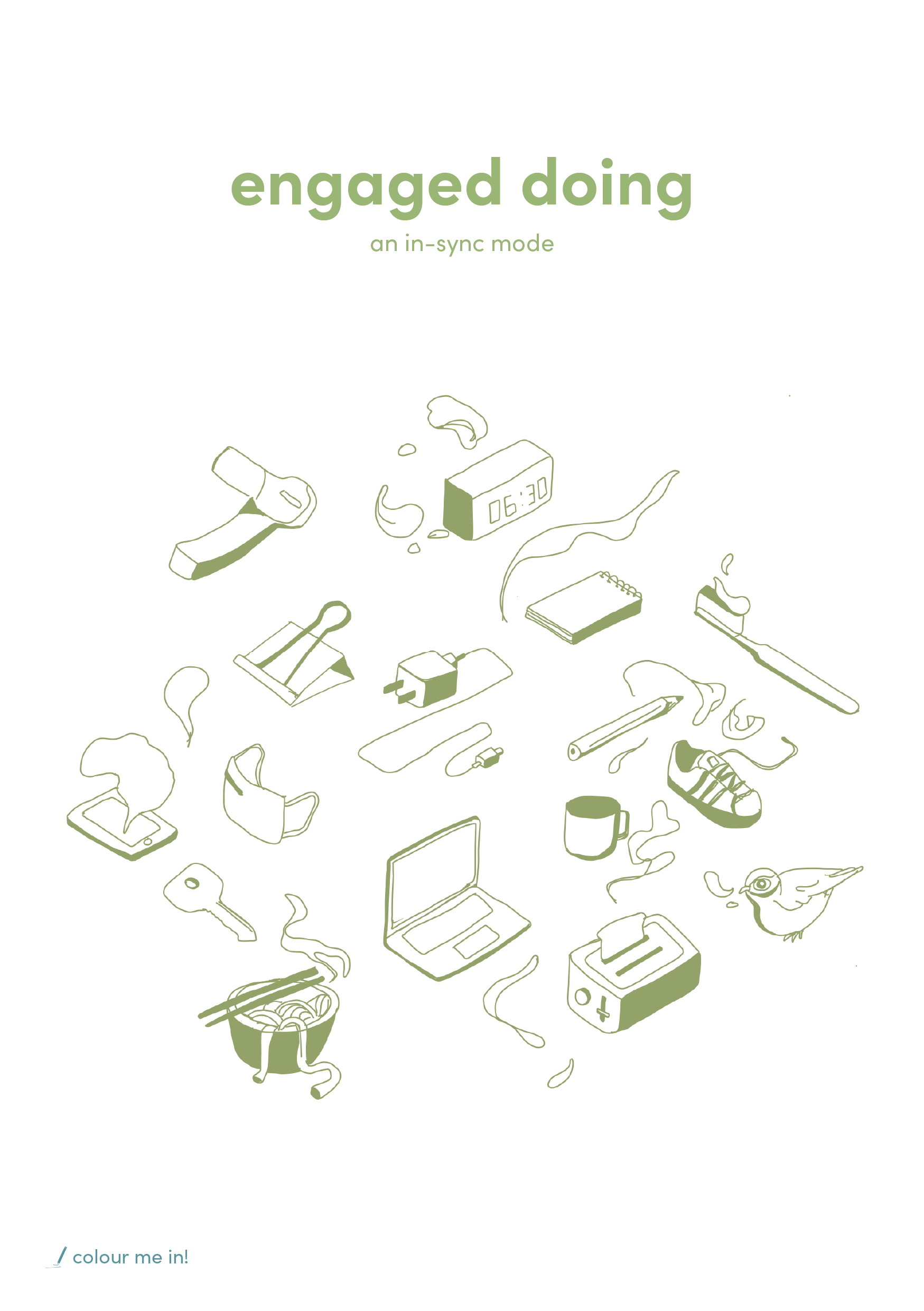
engaged doing

an in-sync mode

Engaged doing can be helpful for our social wellbeing. This mode is helpful for us to establish our place in the world with others. Doing things that SYNC us with others helps give structure and meaning to our lives.

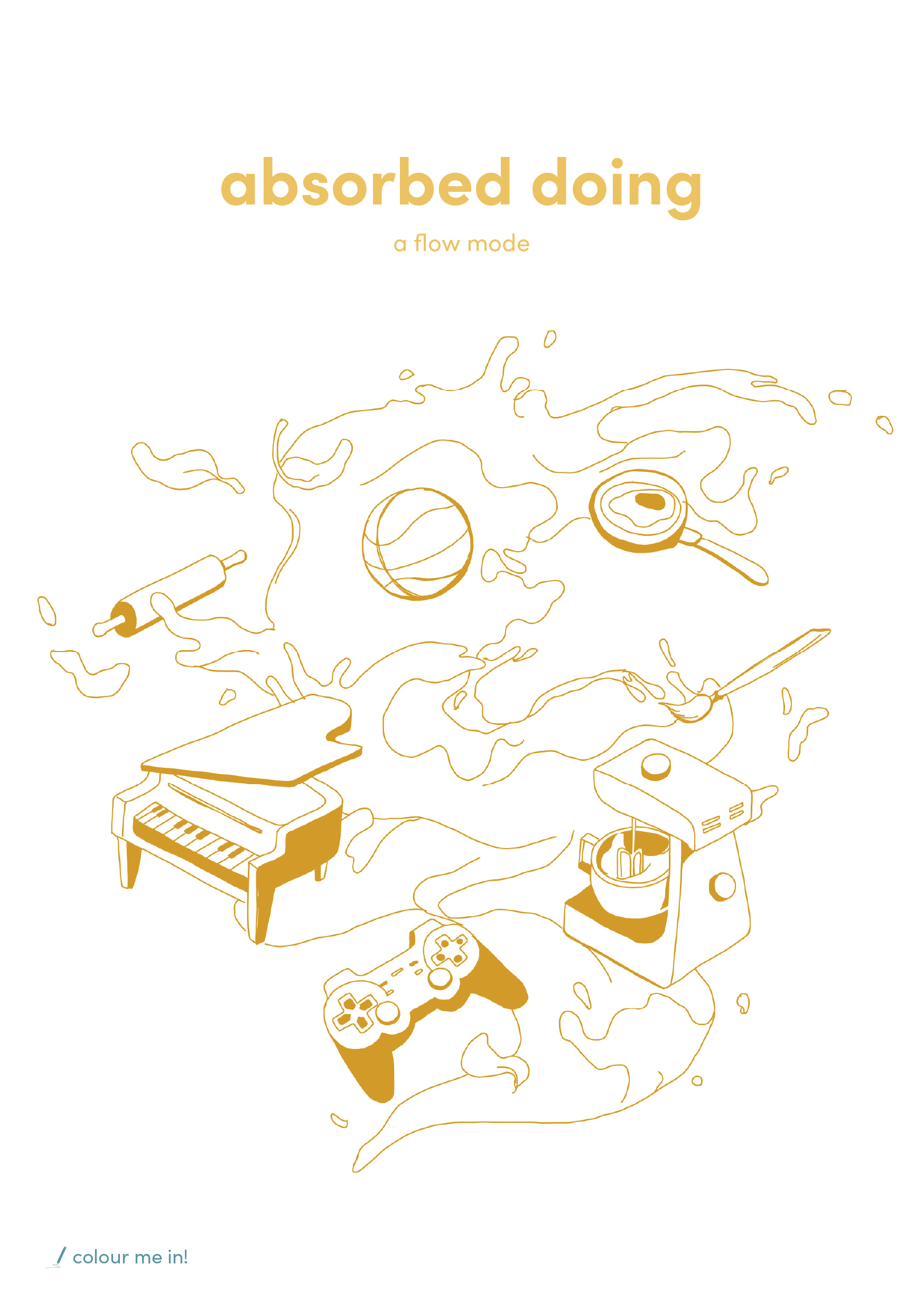
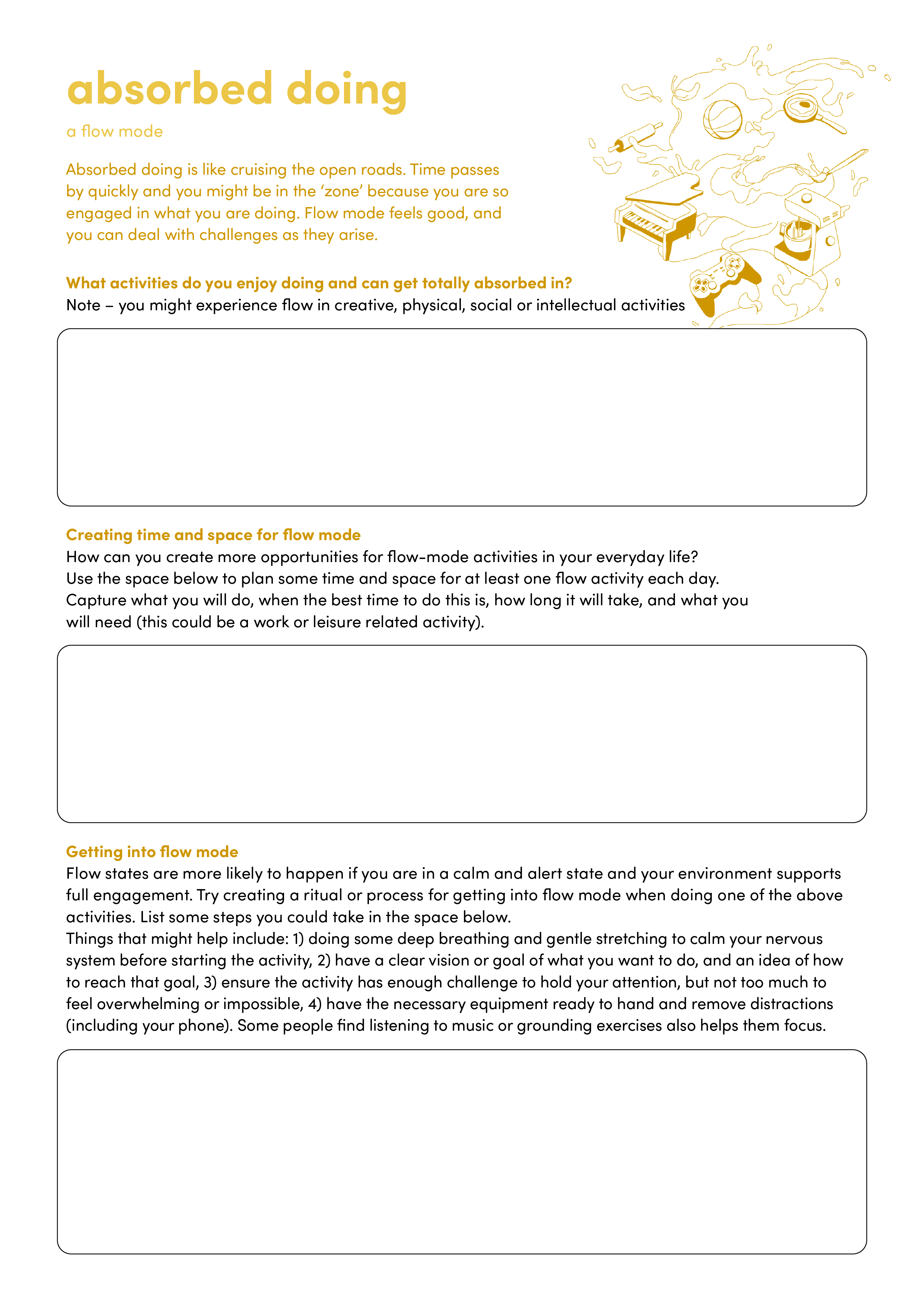
absorbed doing

a flow mode

The absorbed doing mode is about finding your FLOW. Doing things in this mode can help you find strength in your  uniqueness and a connection to being your most authentic self.

what works well?

activity sheets

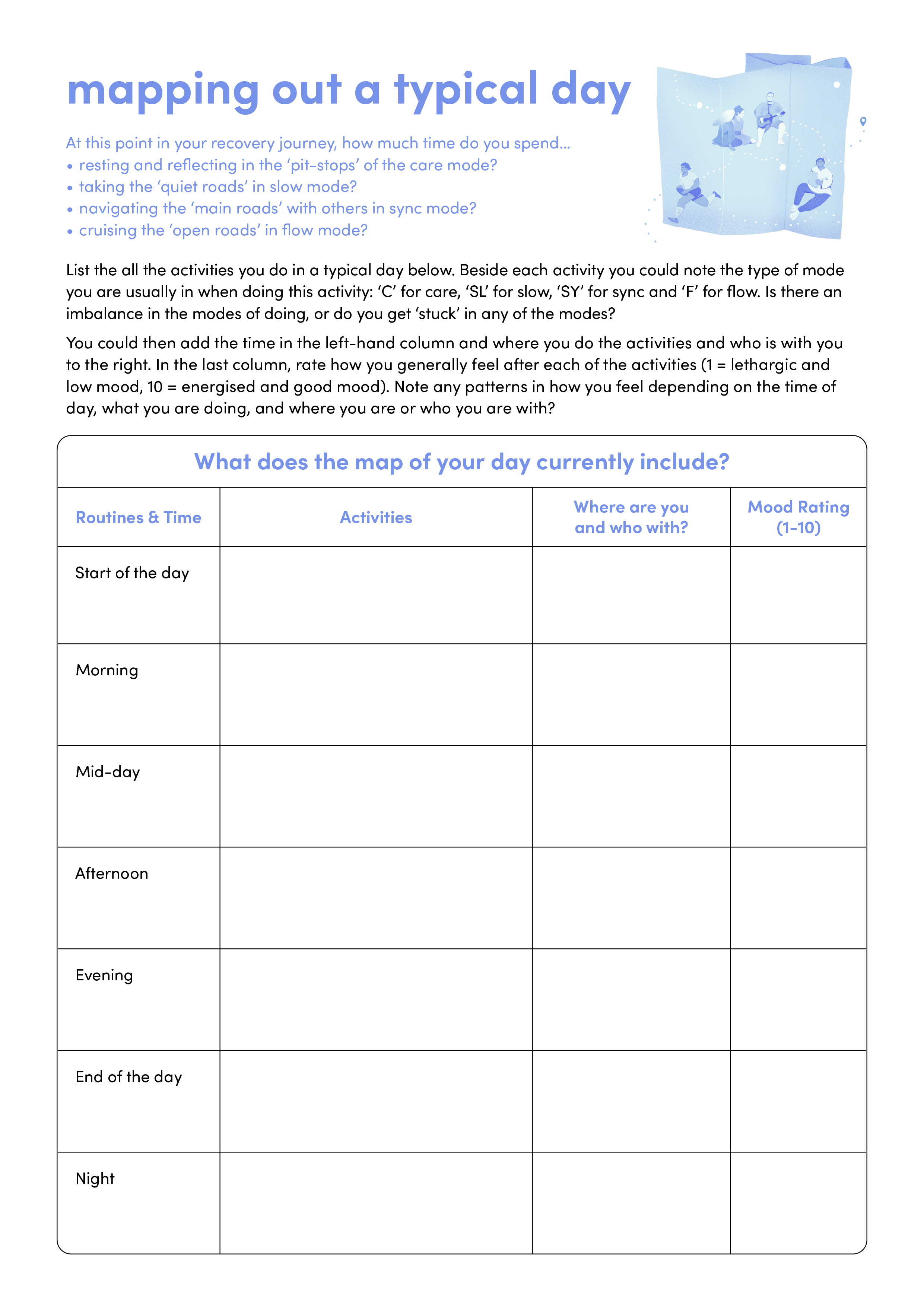
To find healthy ways to use the modes, we need to recognise how we can get in and out of the modes that we want to be in, and what works well for us. This section contains prompts and activities that can help guide you towards reflecting on this.

You might notice that doing a certain activity doesn’t necessarily mean that you will be in any one particular mode. In the examples below, we can see that the same simple activity of sitting can be used to get into each of the four modes. The aim of these activities is to give you a starting point to learn how you get into each mode. By recognising the activities that you personally find the most helpful for getting into each mode, you can then start to plan the steps that you can take to get there.

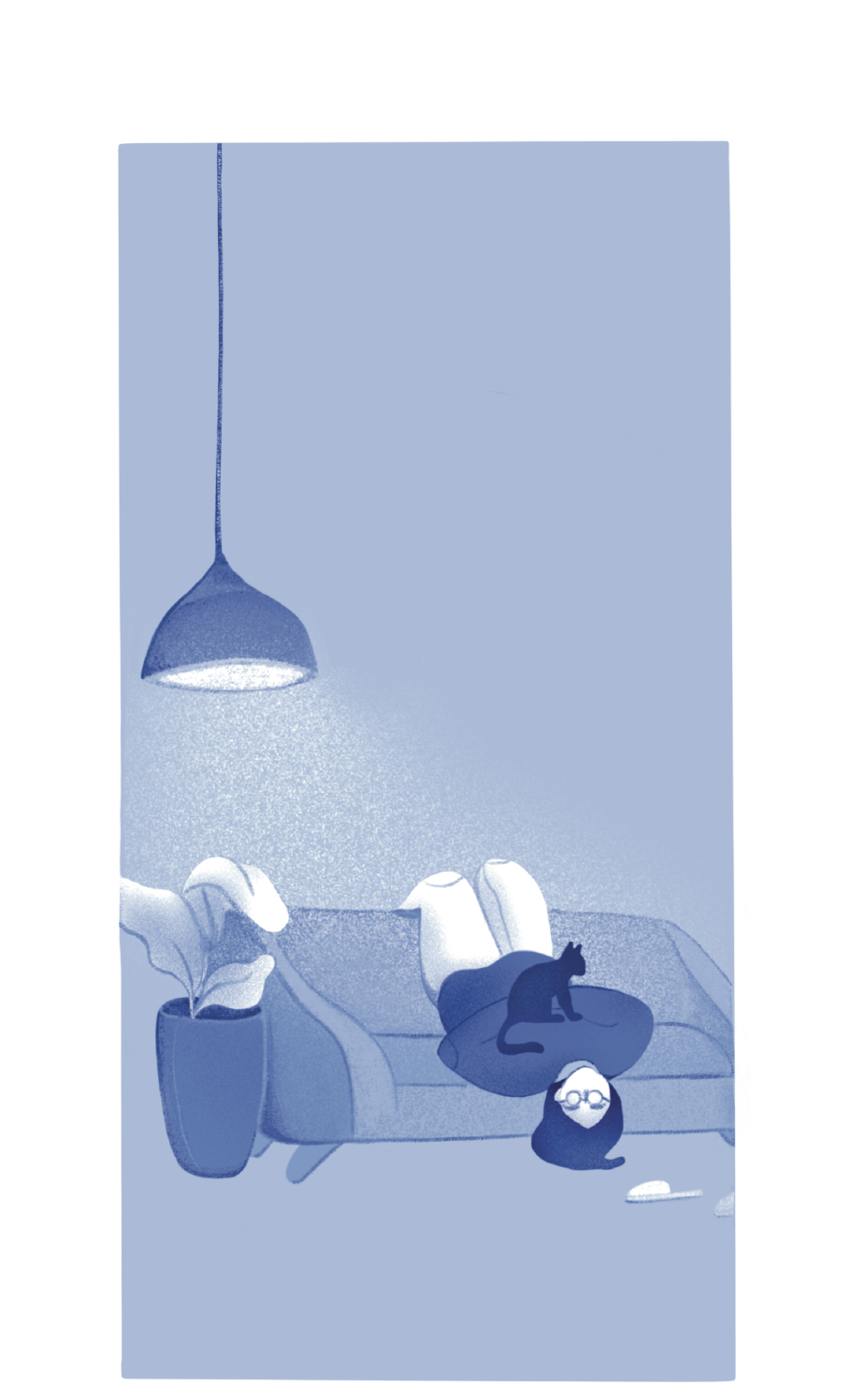
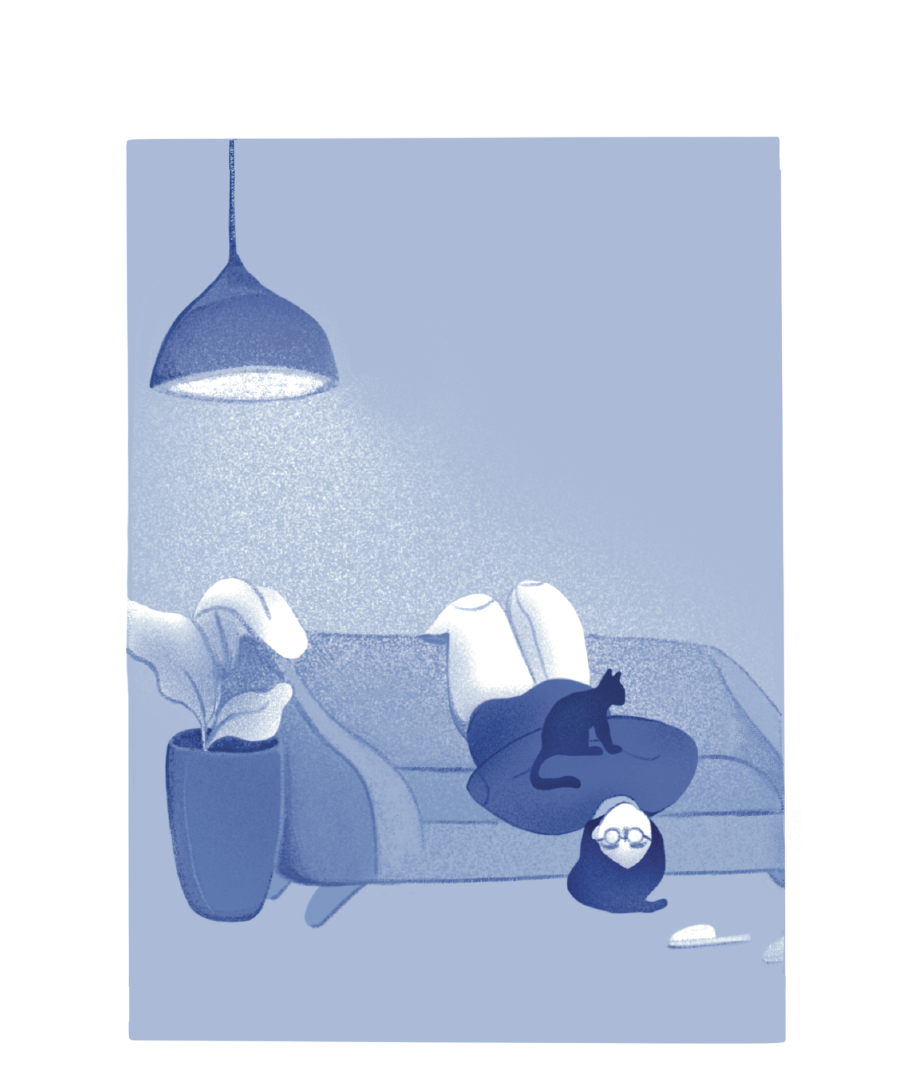
Non-doing mode A5 Colouring page
Half-doing mode A5 Colouring page
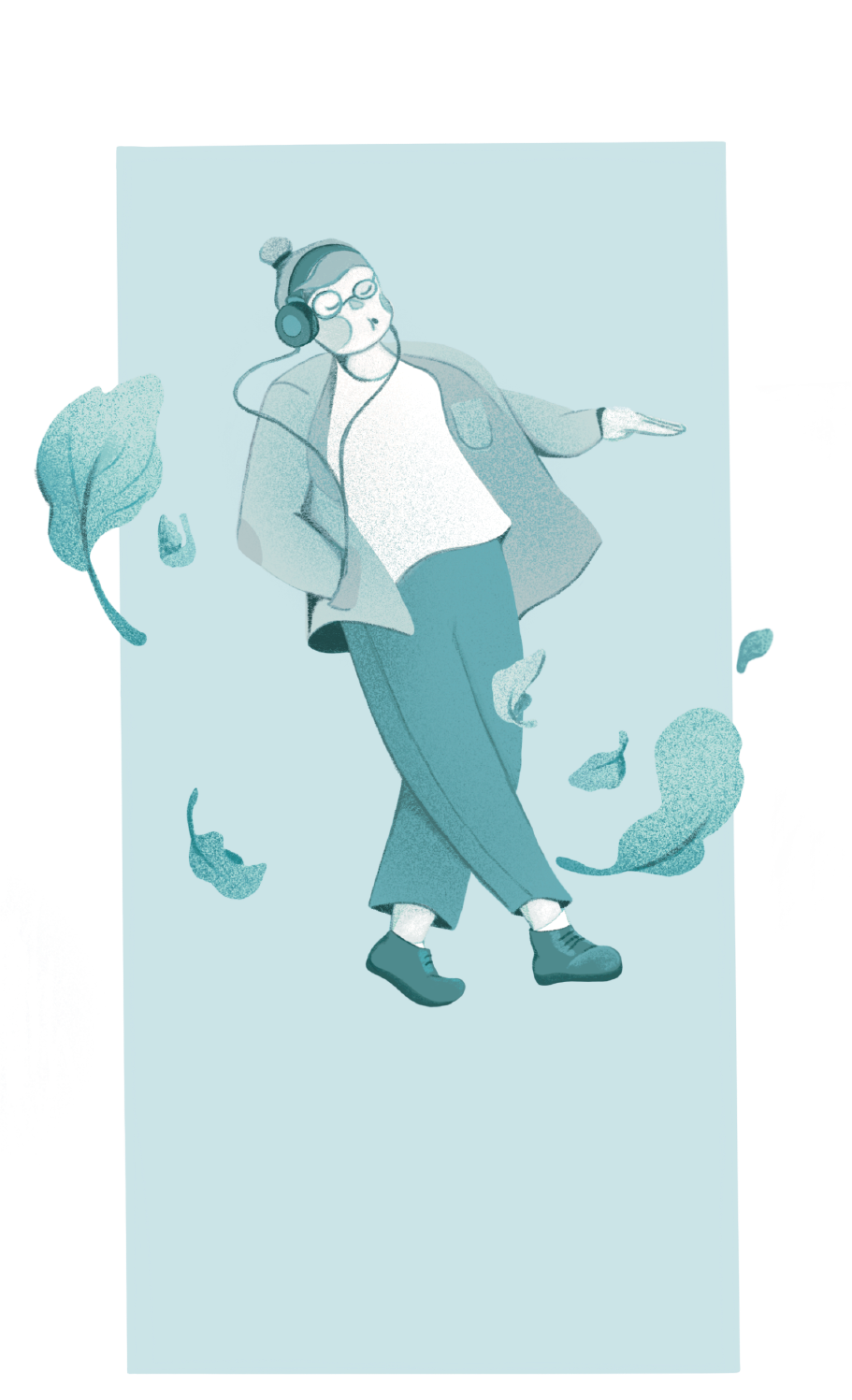
Engaged doing mode A5 Colouring page
Absorbed doing mode A5 Colouring page
A Good Day A5 (2 pages)
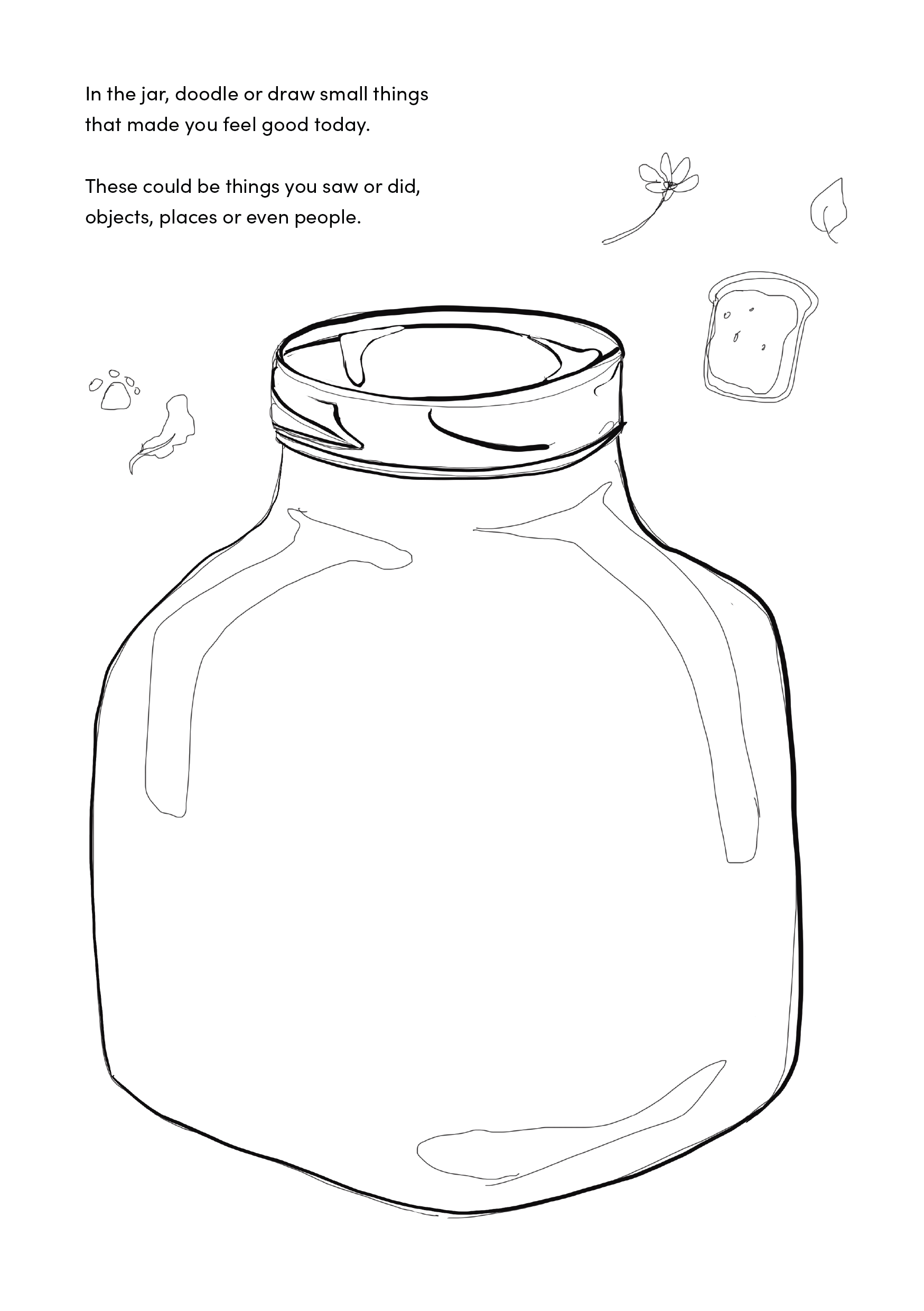
Good Things Jar A5
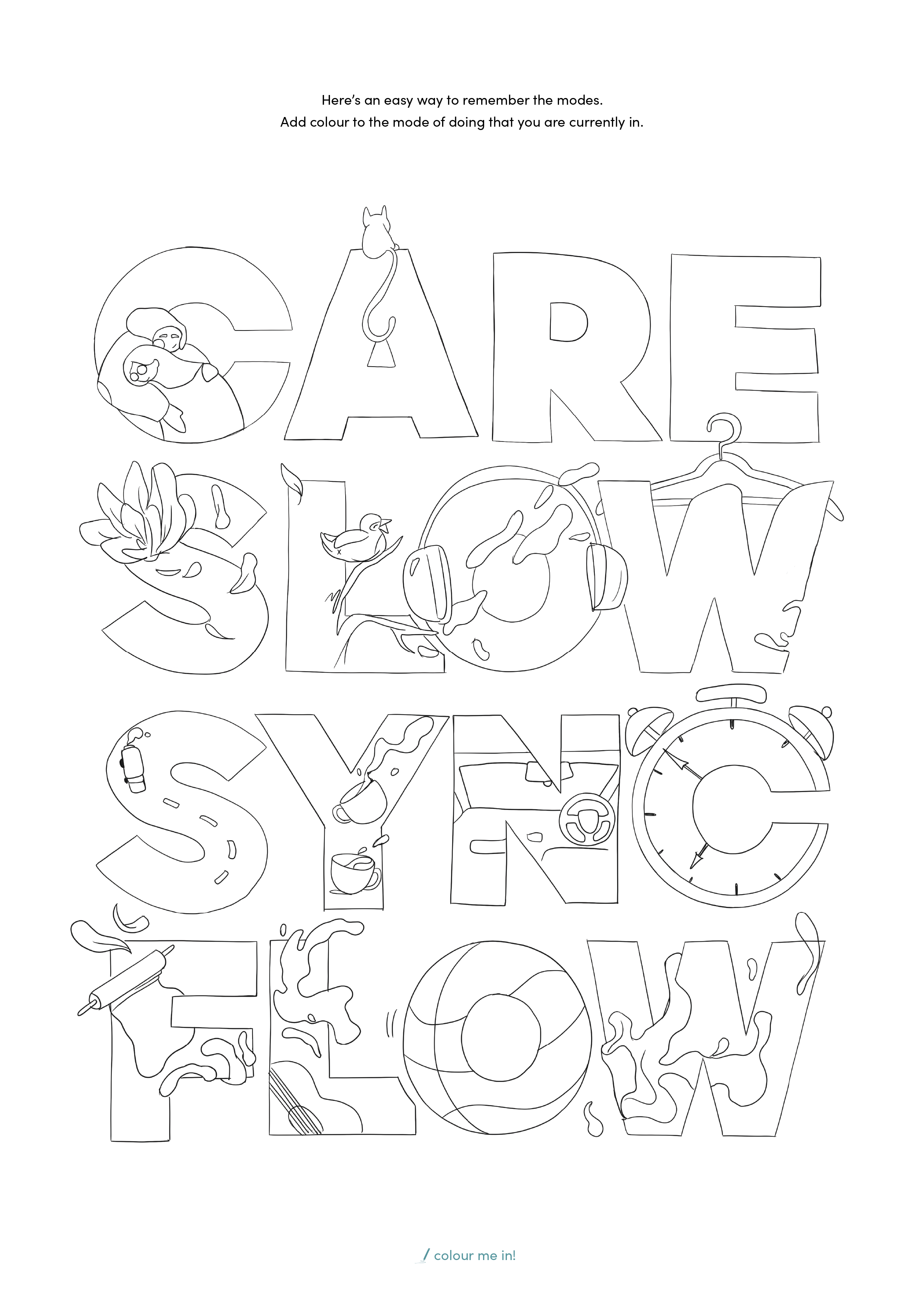
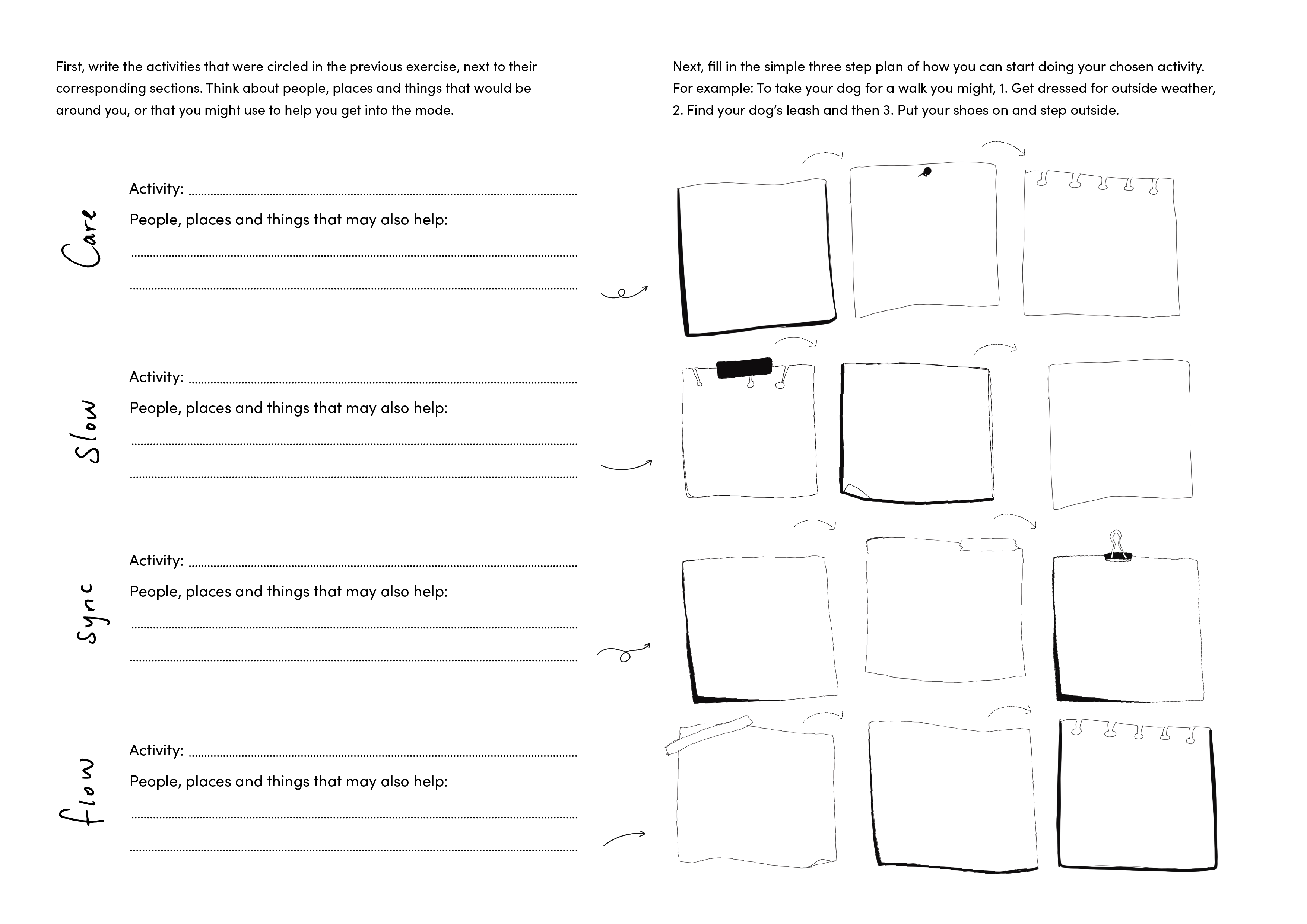
Care Slow Sync Flow A4
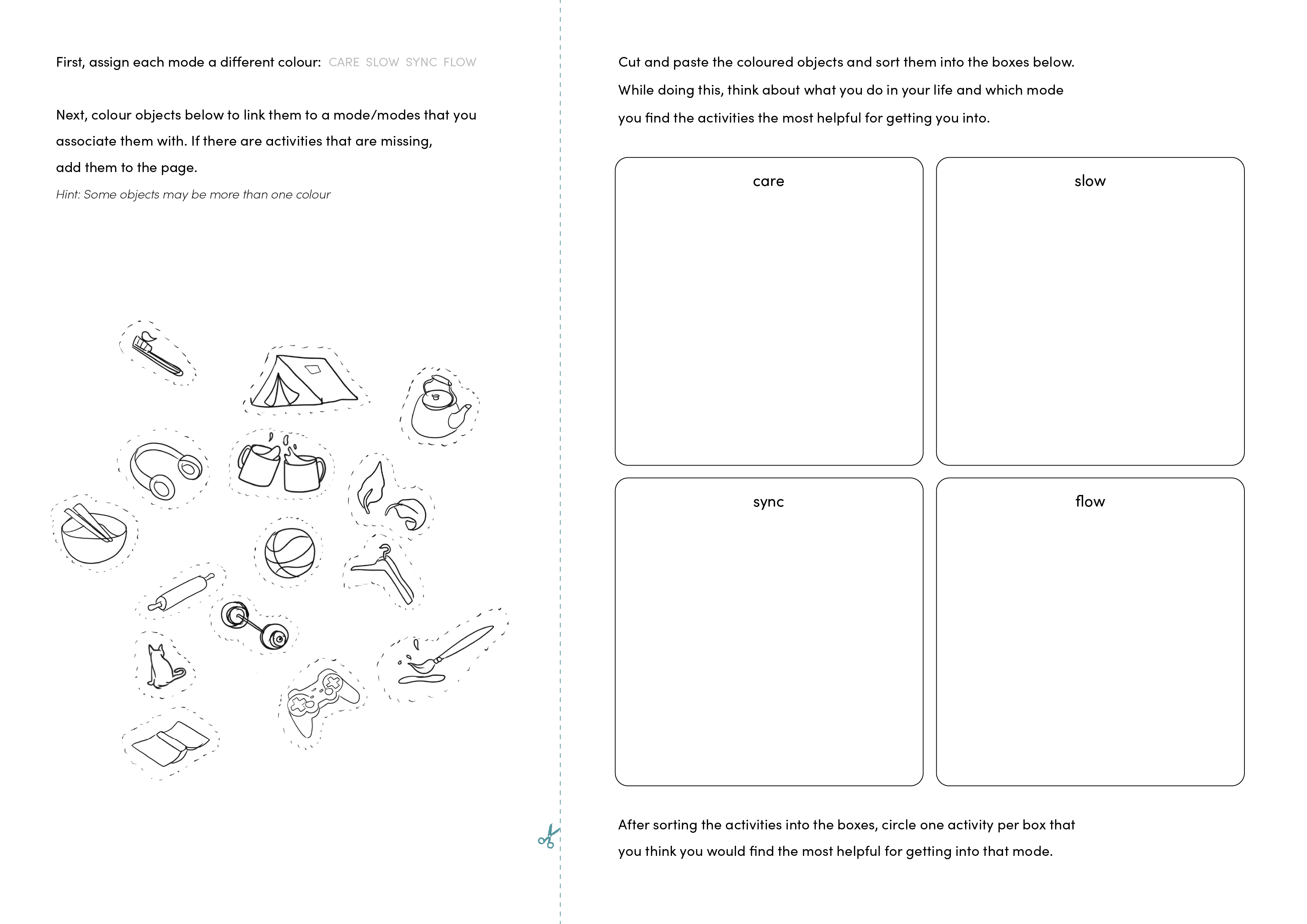
Activities in each mode A4
Support in each mode A4
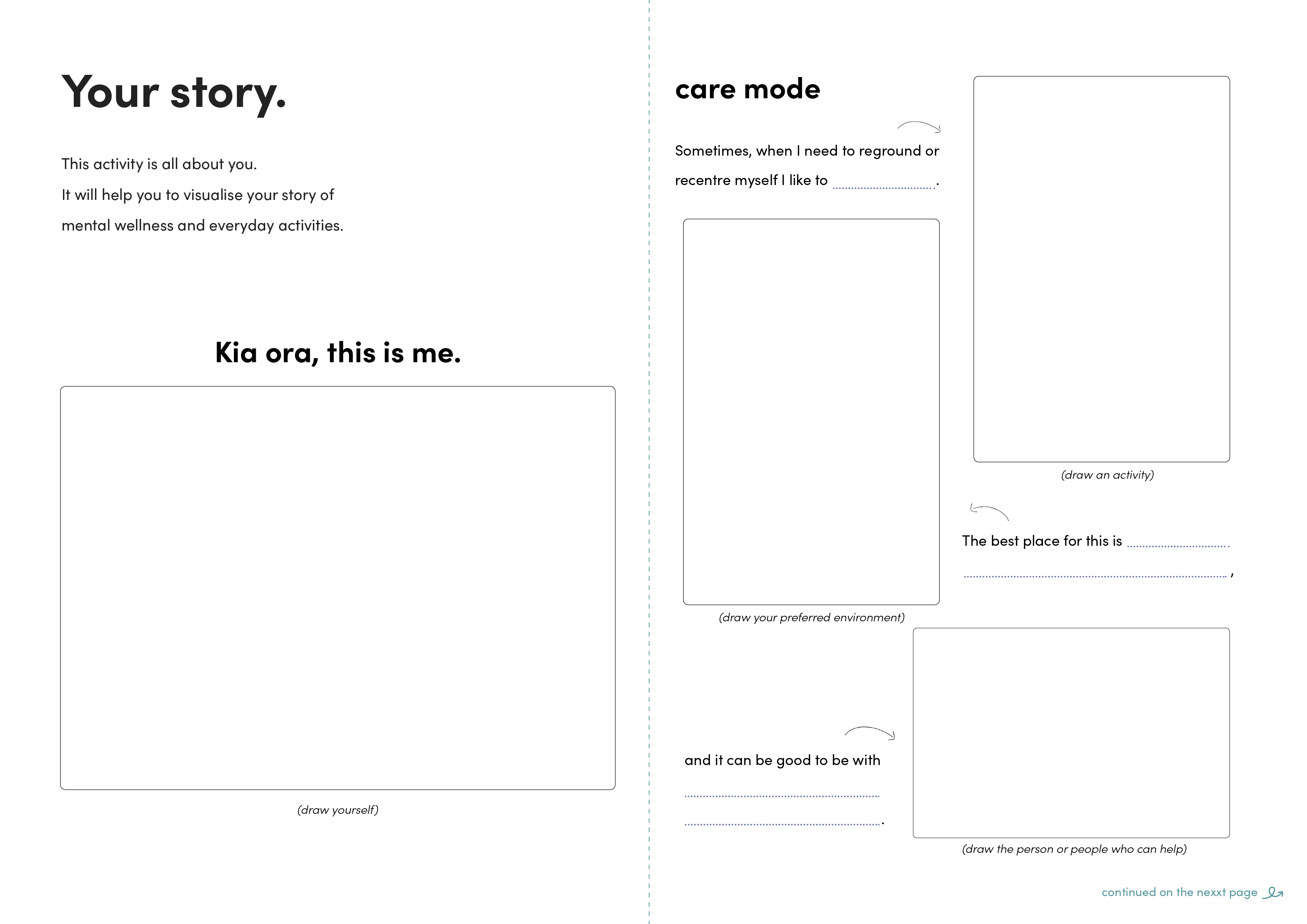
Your Story A4 (3 pages)

Through visualising your story of ‘doing,’ hopefully you have discovered something that will be helpful to take with you on your journey of mental wellness!

If you enjoyed this guidebook, you can buy a physical copy of this guidebook at the Good Health Design shop to keep in a safe place for your future self to find again.

BUY NOW

thank you

To Dr Daniel Sutton for supporting the development of this guidebook, which builds on his previous research.*

Also, to Prof. Stephen Reay and the Good Health Design studio for their extensive guidance and support.

To the clinical experts and design for health experts that were generous with their feedback, time, and knowledge during the creation of this resource.

Finally, to the young adults that contributed their lived experience stories in hopes that they might support others navigating their mental wellbeing journeys.

*Sutton, D. J. (2008). Recovery as the Re-fabrication of Everyday Life: Exploring the Meaning of Doing for People Recovering from Mental Illness [PhD thesis, Auckland University of Technology].

Sutton, D. J., Hocking, C. S., & Smythe, L. A. (2012). A Phenomenological Study of Occupational Engagement in Recovery from Mental Illness. Canadian Journal of Occupational Therapy, 79(3), 142–150. https://doi.org/10.2182/cjot.2012.79.3.3